Story
Why anyone would plant lychee in Lombardy
It began with a plantation that needed someone to take it on, and two people with no experience of lychee who said yes anyway.
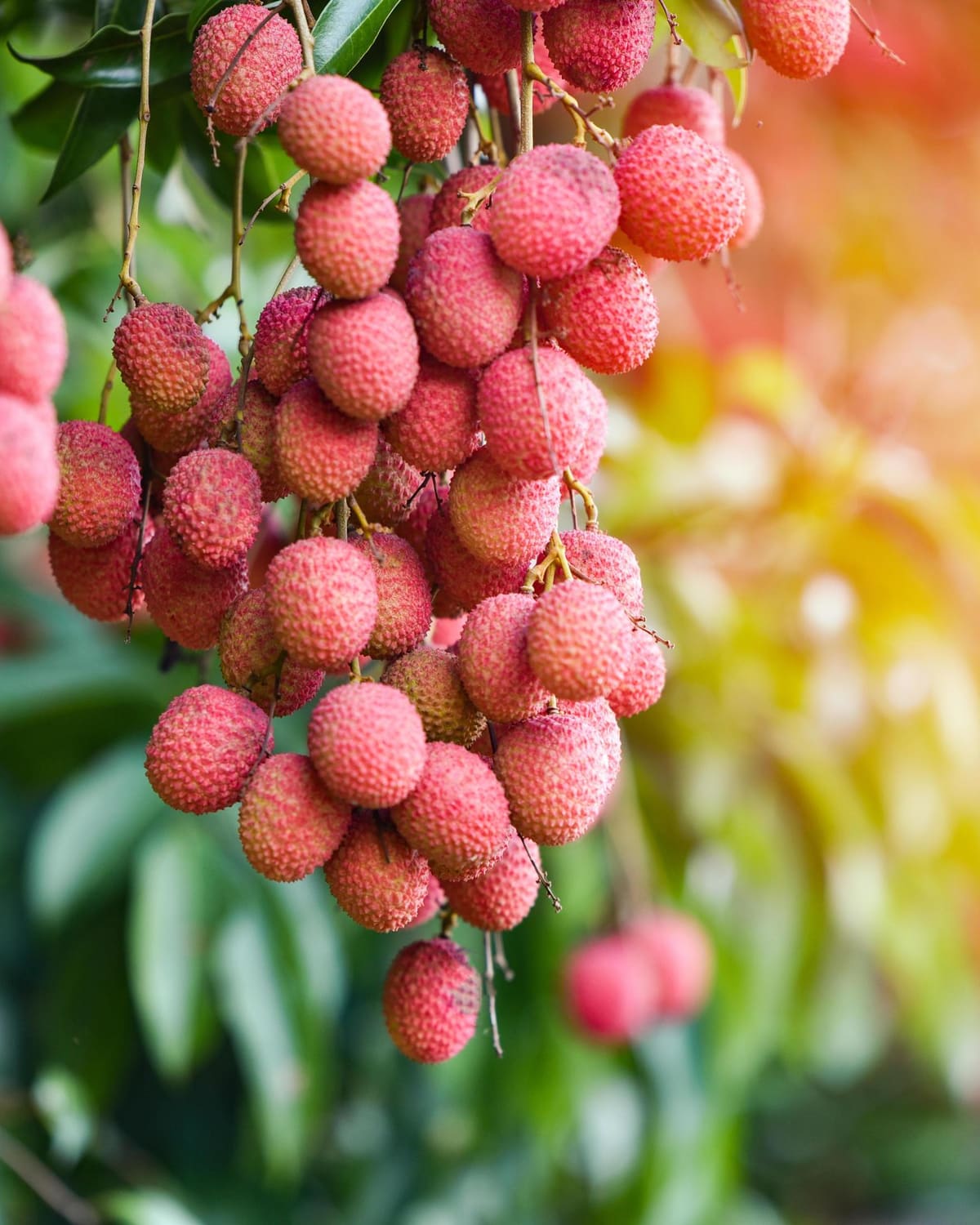
Everyone we spoke to in the first year told us the same thing: the tree will not flower.
They were right, more or less. A lychee kept comfortable through a Lombard winter — in a heated house, at a nice steady fifteen degrees — puts out leaf after leaf and never a single panicle. We spent two seasons proving that ourselves, which is an expensive way to learn something you have been told.
What changed the farm was reading the problem backwards. The glass was not there to keep the trees warm. It was there to let us decide, precisely, how cold they got and for how long — a dry, ten-week rest in the range where the tree stops growing and starts setting bud, and then frost protection and nothing more. Once we started venting the houses in November instead of sealing them, the trees flowered.
How it went
From a small chance to a farm that runs itself in the winter
Nobody here inherited a business. We were handed an opportunity, and spent the next decade finding out what to do with it.
- Spring 2016
A plantation looking for someone to run it
The lychee plantation at Ambrosio had belonged to Kevin’s cousin for years, and farming had stopped being the thing he wanted to get up for. Rather than sell it on or let it go quiet, he spoke to Kevin. Kevin came to Max. Neither of us had spent years growing lychee — what we had was the appetite to find out whether we could.
- Summer 2016
Thirty-five hectares and two bad tractors
We signed. What we took on was 35 hectares, a span of ageing glass with a few old trees still in it, a small machine shed, and two tractors that spent more time being repaired than they did running.
- 15 Oct 2016
The first tree
There were older trees already, but we wanted a line of our own to date things from. The first tree of the new generation went in beside the drive on the fifteenth of October, and it is still there — the first thing anyone passes coming onto the farm. There is a photograph of the two of us in front of it in wellingtons several sizes too big, with rather more optimism than experience. Sixty grafted trees from a nursery in Queensland followed, in four cultivars, planted to find out which of them would flower under a manufactured winter.
- 2017
Seventy-five tonnes, and all of it back in
The first season was hard, and we made the beginner’s mistakes — underestimating the weather, the watering, the sheer amount of tending. The harvest off the old trees came to about 75 tonnes, well under what we had hoped for, and every crate of it felt like a win. The profit was slight. Nothing was paid out: it went straight back into irrigation, better machines and more planting.
- 2019
Houses two and three
Built on what the first seasons had taught us: taller, better vented, and designed around losing heat in November rather than gaining it in February. By then the trial planting had answered its question — two of the four cultivars flowered reliably under a manufactured winter and two did not, so the new houses went in as Kwai May Pink and No Mai Tsze, which is still the whole orchard. The planting went past twenty thousand trees.
- 2021
The first crop worth selling
Lychee takes about five years from planting to a commercial yield, and the wait is not negotiable. The first real harvest off our own trees went almost entirely to a handful of restaurants in Milan who had been told for years that it was coming.
- Now
Six weeks a year
The 35 hectares have become 80, the orchard is mature, the season is predictable, and the crop still sells out. Around 600 tonnes comes off the estate in six weeks, all of it picked by hand, because a fruit this fragile has never tolerated any other method.
The farm today
Never the biggest. The best-run, we hope.
Growth was never the point on its own — it was what let us stop improvising. Picking robots work the rows alongside the crews, irrigation and feeding run automatically off what the sensors report, the houses are monitored around the clock, and the machines are maintained in our own workshop rather than waiting on somebody else’s.
The two tractors we started with are long gone. What has not changed is where the money goes: back into the ground it came out of.
- 15Permanent staffSeveral times that during the six weeks of picking
- 13TractorsServiced in our own workshop
- 3GlasshousesVented, heated and monitored separately
- 80 haEstateUp from the 35 we started with
Who we are
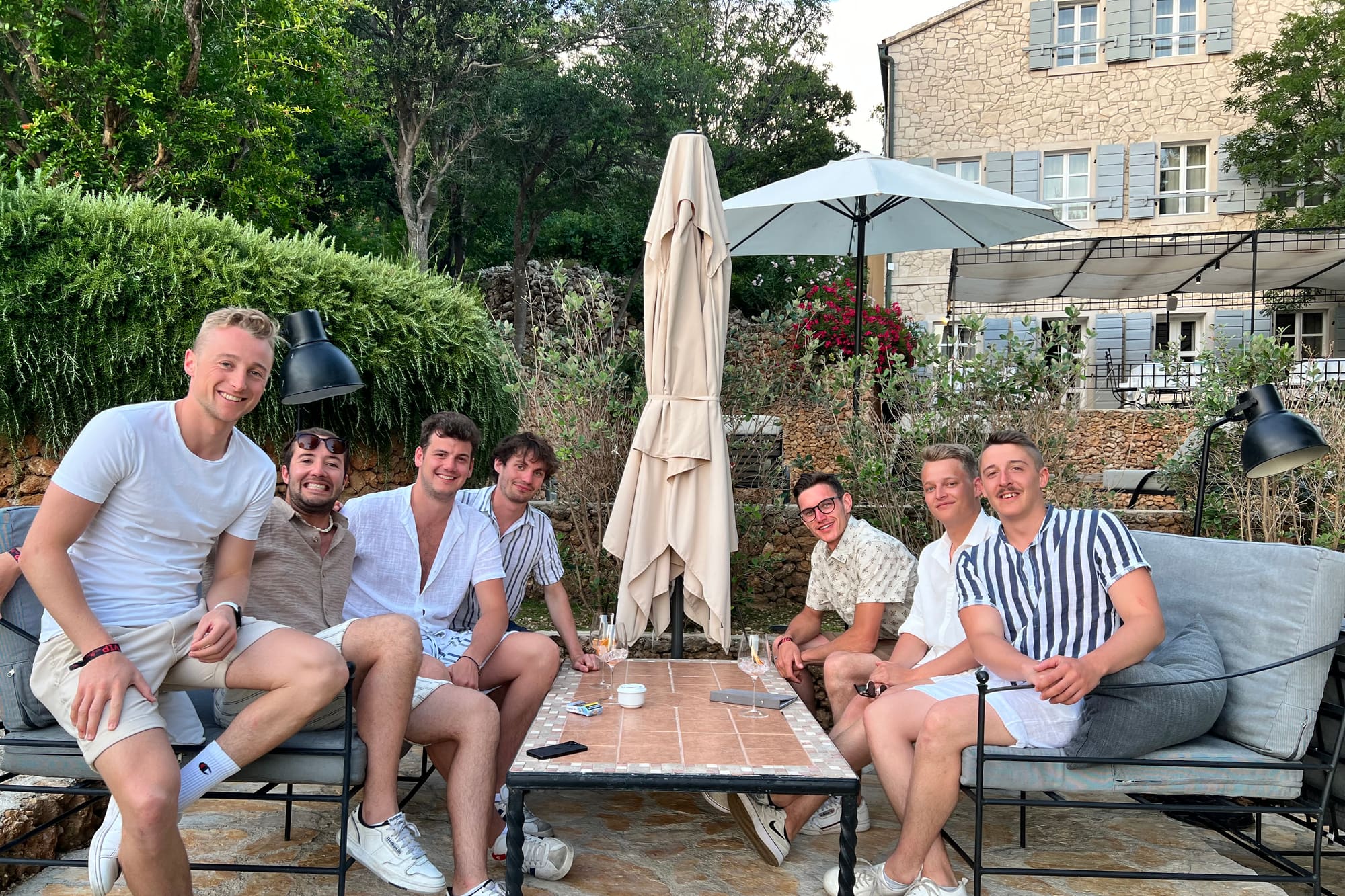
Five of us run it, and fifteen people keep it running
A farm this size is small enough that everyone knows what everyone else is doing, and large enough that it only works if they do.
Kevin
CEO
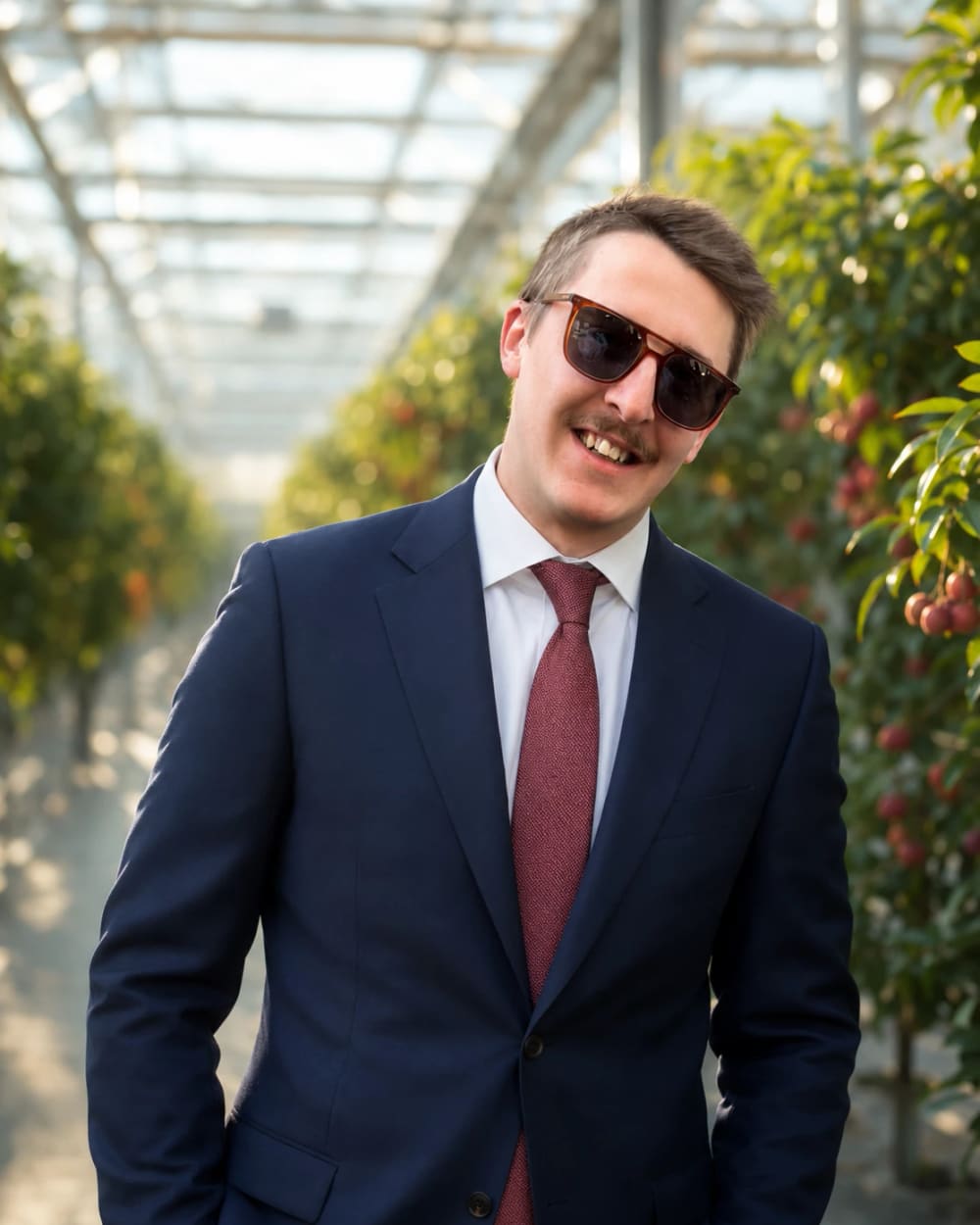
Kevin brought the farm to us in the first place — it had been his cousin’s. He runs the strategic side of the business: what gets built next, where the fruit goes, and who we work with. The step from a plantation with two tractors to what is here now was largely his argument to make.
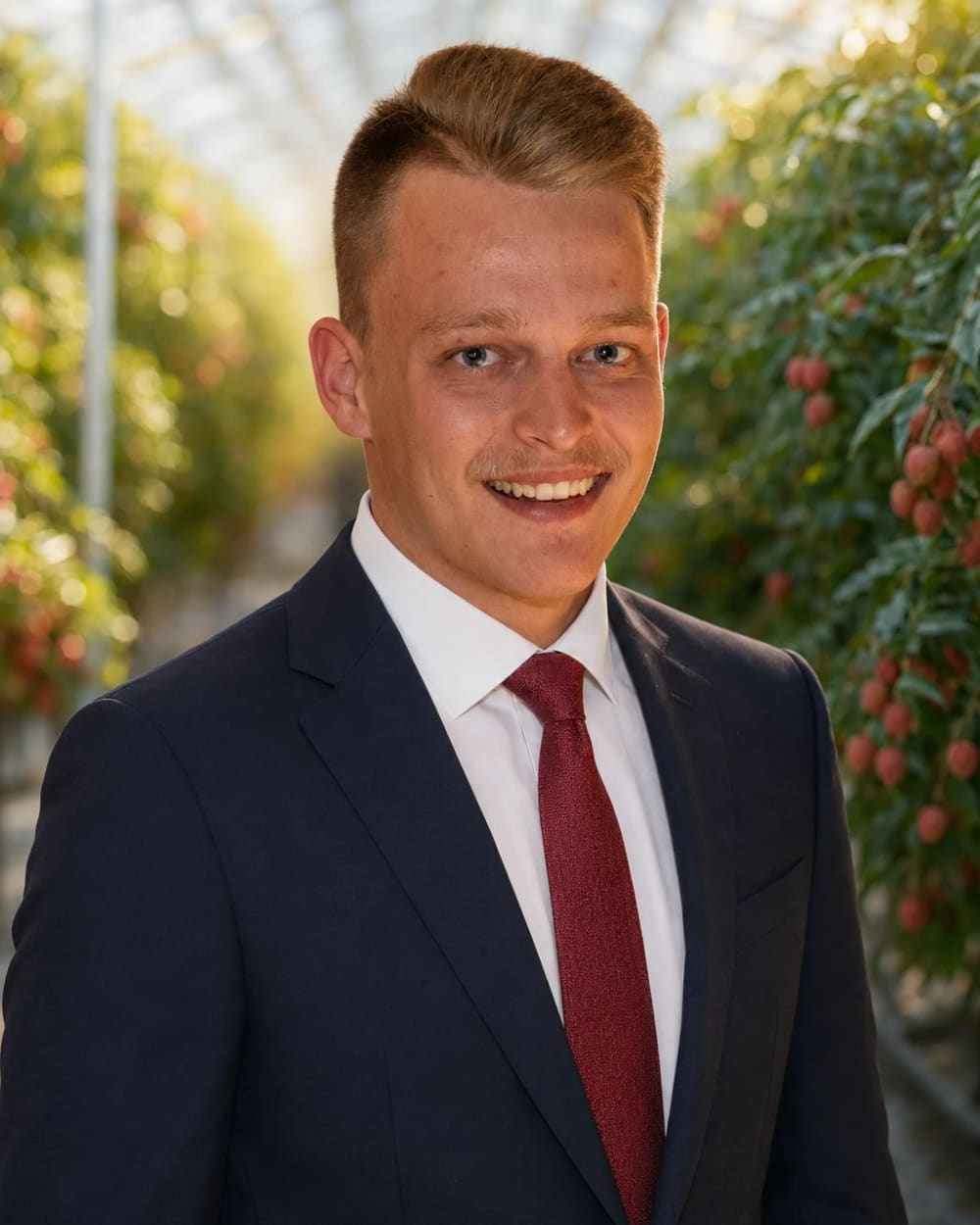
Max
COO
Max runs the day-to-day: growing, quality, packing and everything that has to leave the estate on time. His desk is mostly the orchard, on the grounds that a decision made in the row takes effect the same afternoon.
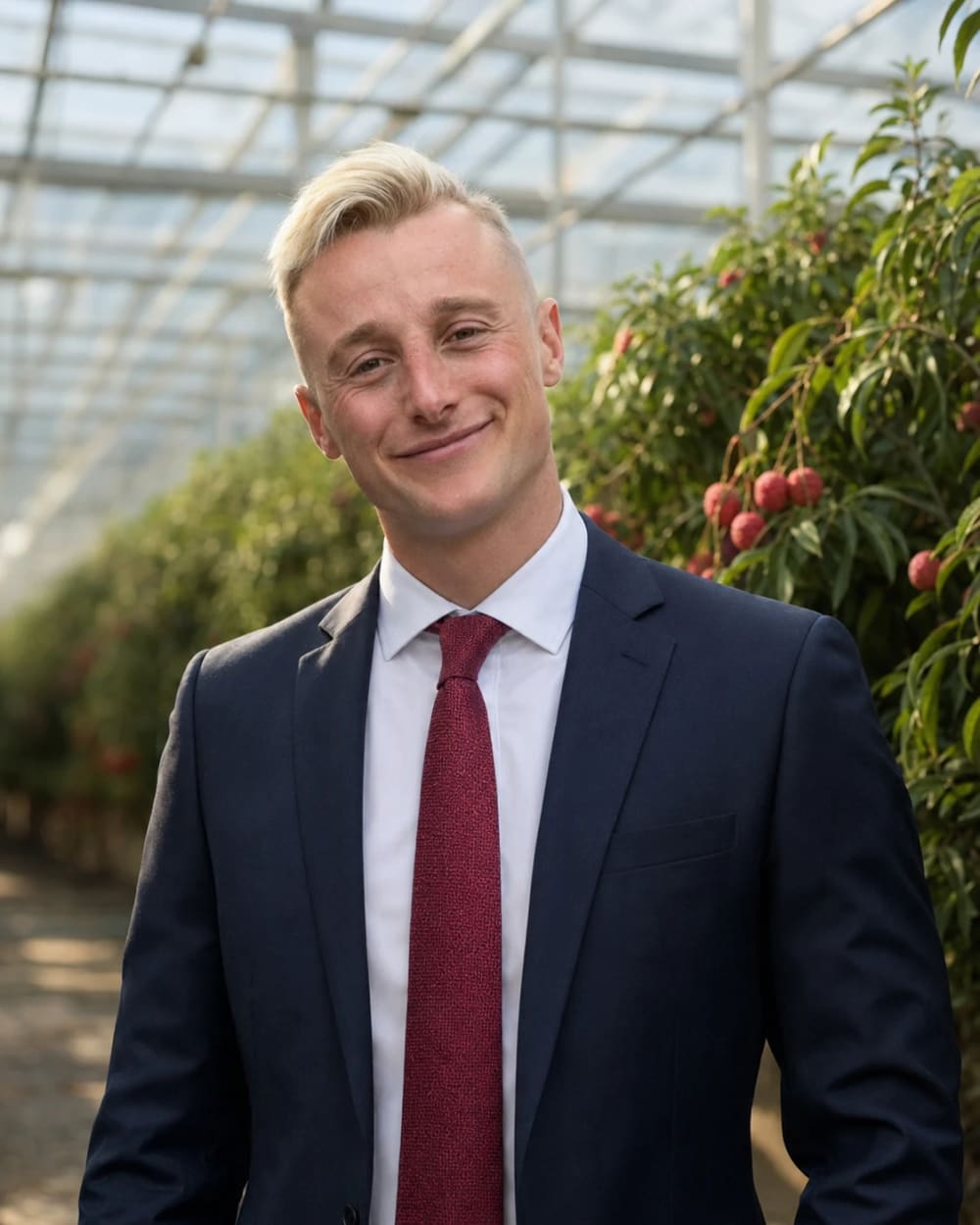
Patrick
CFO / CIO
Patrick keeps the numbers straight — investment, financing, controlling and the long view. The habit of putting the crop back into the farm rather than taking it out has paid for every expansion since 2017, and structuring that so it stayed safe is his side of it. The whole of the farm’s IT sits with him as well.
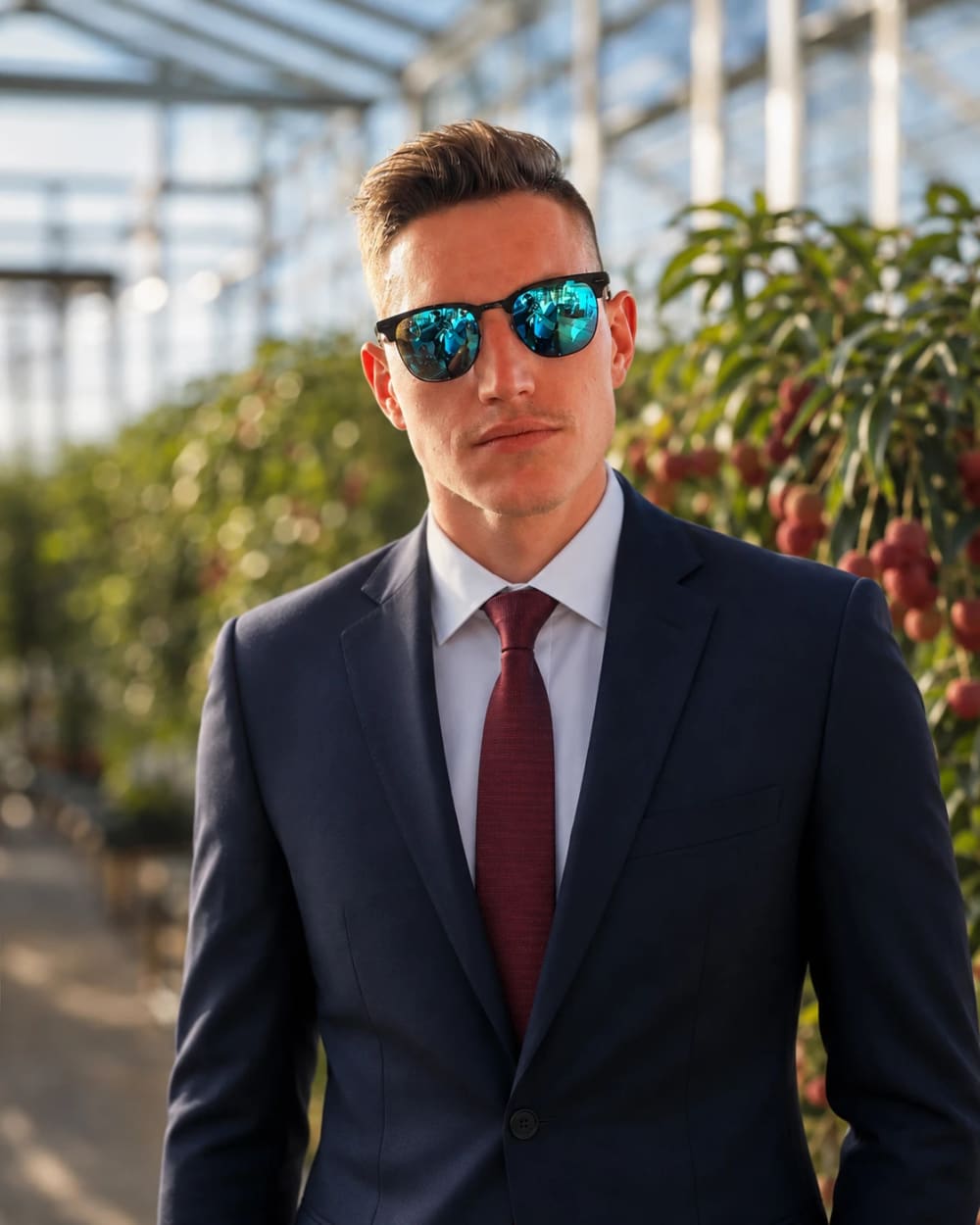
Daniel
Chief mechanic
Daniel keeps the machines running: thirteen tractors, the harvest robots, the irrigation and fertigation lines, and the workshop they all come back to. He is usually at the breakdown before anyone has got round to reporting it.
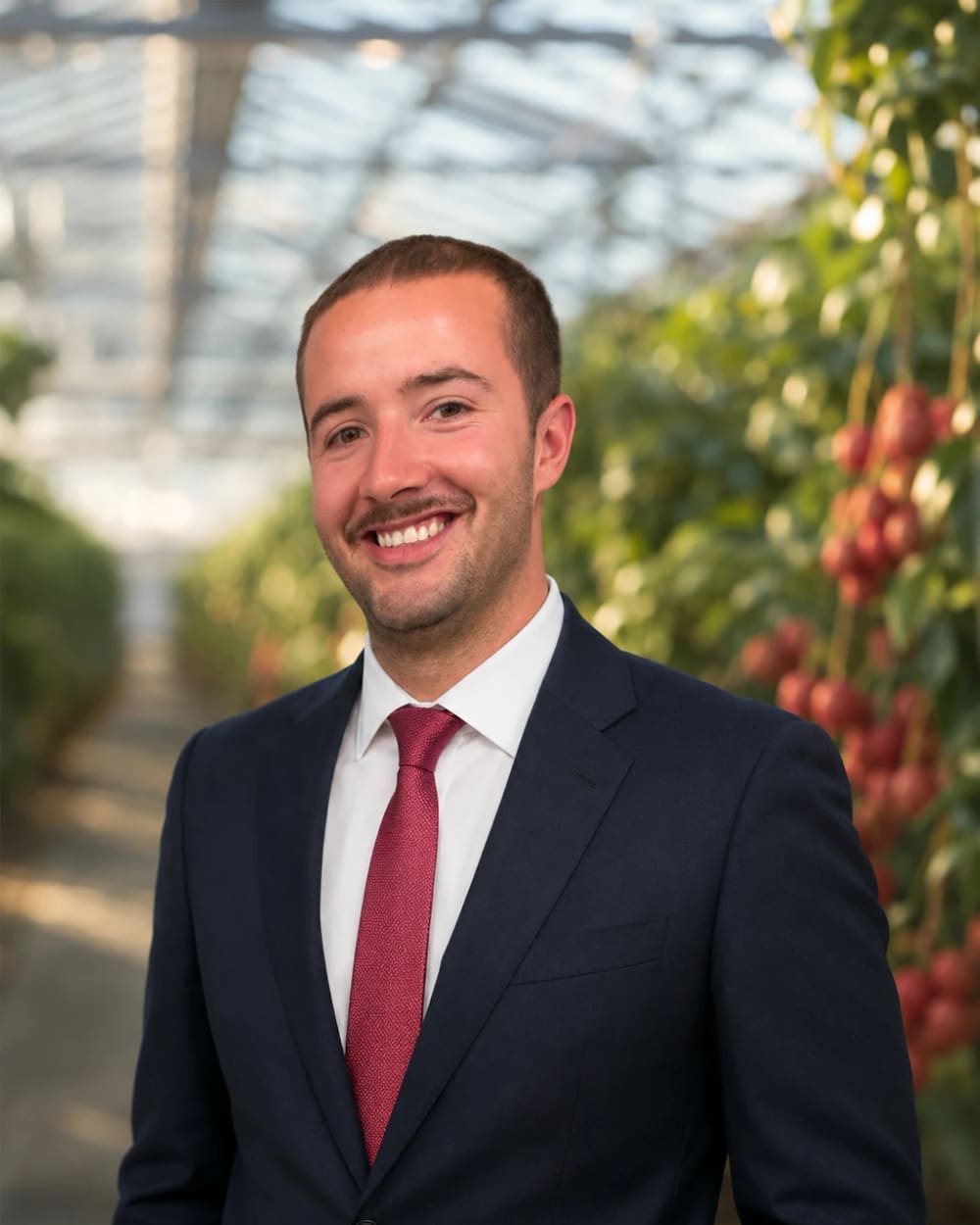
Julian
Head of picking
Julian plans the harvest. Through the six weeks he runs the crews, sets the order the rows are cut in, and decides what is ready — which, with a fruit that will not ripen after picking, is the whole job.
About the claim
We describe OW Elements as the only lychee farm in Italy, and it is worth being precise about what that means. There are lychee trees in Italian gardens and collections, and there have been trial plantings in Sicily and Calabria where the climate allows the tree outdoors — Italy's tropical-fruit growers have been expanding steadily for two decades.
What we have not been able to find is anyone else in the country growing lychee commercially, as a crop, at scale, and selling the fresh fruit. If that has changed, we would genuinely like to know — it is a small enough world that we would rather be in touch with them than be the only ones.
Either way, at Ambrosio, roughly a thousand kilometres north of where the tree will grow outdoors in Europe, we are fairly confident of being on our own.
What we are not
Not an agriturismo, not a shop with year-round opening, not a producer of jams, syrups or liqueurs. One crop, six weeks, sold fresh. Outside the season there is very little here to come and see, and we would rather say so than have anyone make the drive for nothing.